Entering the Indian market is a promising venture for many entrepreneurs and businesses worldwide. India's growing economy, vast consumer base, and supportive government policies make it a fertile ground for new and expanding businesses. However, navigating the legal and bureaucratic landscape for company registration can be daunting. That's where Maksim Consulting comes in – to simplify your journey in setting up your business in India.
Before diving into the registration process, it's crucial to understand the business landscape of India. The country offers a diverse market, and its economic policies have been structured to foster growth, innovation, and foreign investment. Recognizing the right business structure and complying with legal requirements are the first steps toward a successful venture in India.
Deciding on the business structure is paramount. In India, you can register your company under several categories, each with its benefits and legal implications, so choosing one that aligns with your business needs and goals is essential.
The most preferred choice for startups and businesses planning to raise funds. It offers limited liability to its shareholders, perpetual succession, and easy transferability of shares.
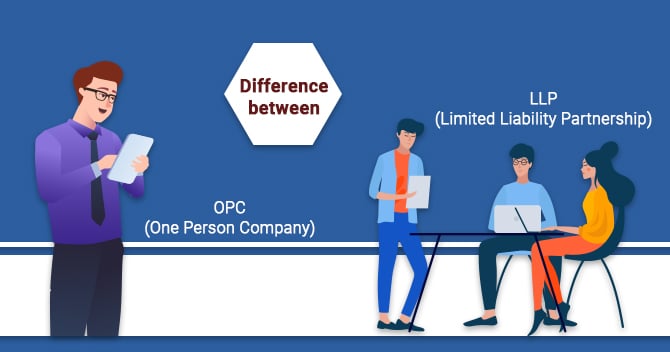
Introduced for entrepreneurs who want to operate a corporate entity with limited liability but without the hassle of having more than one shareholder.
Ideal for professionals and businesses looking for the flexibility of a partnership structure with the benefits of limited liability.
Maksim Consulting makes the company registration process in India straightforward and hassle-free. Here's a step-by-step guide to what the process entails:
The first step is to acquire a Digital Signature Certificate (DSC) for the proposed Directors of the company. This digital signature is necessary for submitting the registration forms electronically.
Next, you need to apply for the Director Identification Number (DIN) for all the directors. DIN is a unique identifier and is required for a director to be on the board of any company.
Before you can register your company, you need to have a unique name. This is done through the RUN (Reserve Unique Name) service on the MCA (Ministry of Corporate Affairs) website.
Once the name is approved, the next step is to file the incorporation documents, including the SPICe+ form, with the Registrar of Companies (RoC). This form captures all necessary information for company registration.
Post-registration, the company is automatically allotted a Permanent Account Number (PAN) and Tax Deduction and Collection Account Number (TAN) by the Income Tax Department.
The final step in the registration process is opening a bank account in the name of the company. This is necessary for conducting business transactions.
Understanding and complying with India's legal requirements is crucial for operating your business smoothly. This includes:
Maksim Consulting provides expert legal advice and support throughout this process, ensuring your business complies with all regulatory requirements.
At Maksim Consulting, we pride ourselves on making your entry into the Indian market as seamless as possible. Our team of experts is well-versed in the nuances of Indian business laws and regulations.
Every business is unique, and so are its needs. We offer personalized consultancy tailored to your specific business requirements, ensuring you get the most out of your Indian venture.
Our team comprises seasoned legal professionals who can navigate India's complex legal landscape, ensuring your business stays compliant with all regulations.
Our relationship with you doesn't end with company registration. We provide ongoing support to help your business grow and adapt to India's dynamic market conditions.
Let Maksim Consulting guide you through every step of the company registration process and ensure your successful entry into the Indian market.
Get Professional Assistance TodaySeller 2 Customer
seller1@customer.com
Lorem Ipsum is simply dummy text of the printing and typesetting industry. Lorem Ipsum has been the industry's standard dummy text ever since the 1500s, when an unknown printer took a galley of type and scrambled it to make a type specimen book. It has survived not only five centuries, but also the leap into electronic typesetting, remaining essentially unchanged. It was popularised in the 1960s with the release of Letraset sheets containing Lorem Ipsum passages, and more recently with desktop publishing software like Aldus PageMaker including versions of Lorem Ipsum.
Kishan Sharma
kishan2@mail.com
This is a new comment.
Kishan Sharma
kishan@mail.com
This is a new comment.
Tridev
tridev@laysantechnologies.com
This is a dummy comment.